
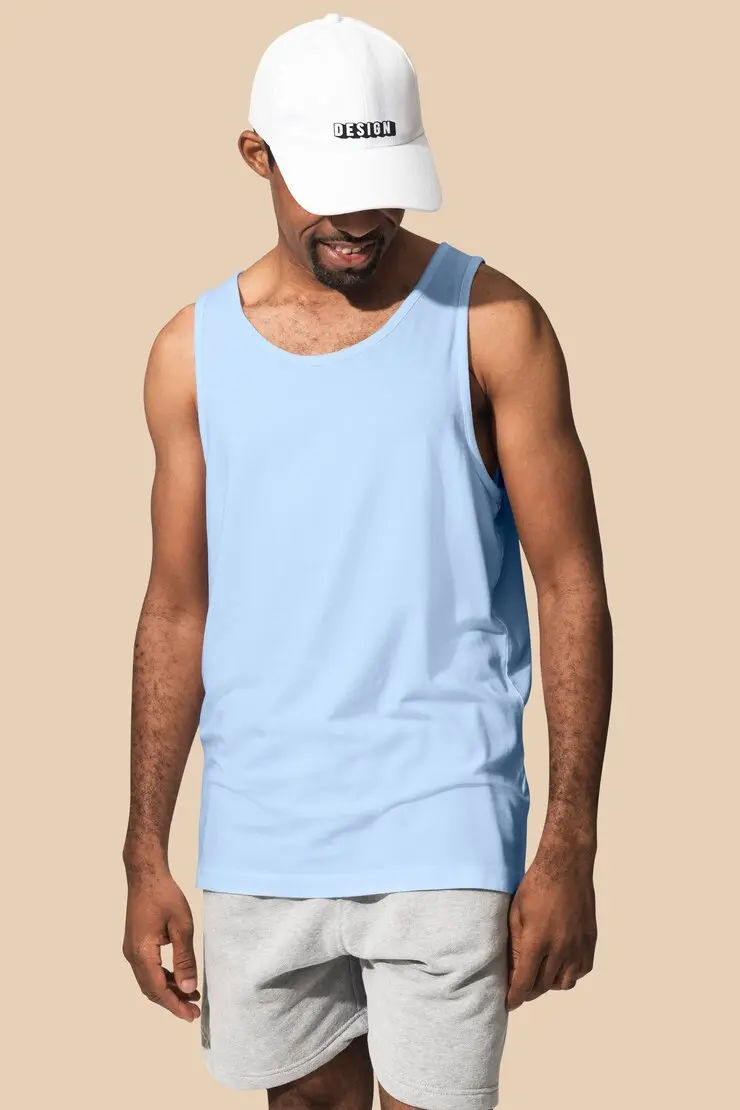
About rib knit
Rib knit is made by alternating knit and purl stitches in vertical columns (wales), creating raised ribs that give the fabric much more crosswise stretch and recovery than flat jersey, even before any spandex is added. The two workhorse constructions are 1x1 rib, a fine and stable surface, and 2x2 rib, a wider, more elastic rib with a bolder visual texture.
Most garments rely on rib as trim: neckbands, cuffs, waistbands and polo collars, where its snap-back keeps openings snug through wear and washing. It also works as a full-body fabric for tank tops, fitted tees and rib dresses. A bagged-out neckband is one of the first flaws a customer notices, so the quality of the ribbing often shapes how the whole garment is judged.
Quote with Rib Knit| Typical weight | 180–320 GSM (trims typically 220–280 GSM) |
|---|---|
| Composition | Cotton, cotton-spandex (3–5% spandex), or poly-cotton |
| Knit | 1x1 or 2x2 rib (alternating knit/purl wales) |
| Stretch | High crosswise stretch with strong natural recovery |
| Feel | Elastic, ridged texture, body-hugging |
| Best decoration | Embroidery, small screen prints, woven labels |
What we make with rib knit
Advantages
- Natural stretch and recovery, even without spandex
- Keeps necklines and cuffs snug wash after wash
- Vertical ribs flatter fitted silhouettes
- 1x1 and 2x2 options for trims or full garments
- Spandex versions add long-term shape retention
Good to know
- 1x1 rib is finer and more stable; 2x2 stretches more and shows bolder ribs
- 100% cotton rib can relax over time; trims that face daily wear benefit from 3–5% spandex
- Large prints can crack as ribs expand; embroidery and small prints decorate best
- Trim ribbing should run slightly heavier than the body fabric for a quality finish
Rib Knit — common questions
What is rib knit fabric?
Rib knit is made by alternating knit and purl stitches in vertical columns called wales, creating raised ribs. This construction gives the fabric high crosswise stretch and natural recovery, which is why it is used for neckbands, cuffs, waistbands, and fitted garments.
What is the difference between 1x1 and 2x2 rib?
1x1 rib alternates one knit and one purl wale, giving a fine, stable surface used for neckbands and collars. 2x2 rib alternates two knit and two purl wales, producing wider, more visible ribs with more stretch, which is common on cuffs, tank tops, and fashion rib garments.
Why are cuffs and collars made from rib knit?
Rib stretches to pull over hands and heads, then recovers to grip snugly without elastic. That combination keeps garment openings neat through repeated wear and washing.
Does rib knit fabric need spandex?
No. Rib stretches naturally from its construction, but adding 3–5% spandex improves recovery, so necklines and cuffs are less likely to bag out over the life of the garment.
What GSM is rib knit fabric?
Most rib knits run 180–320 GSM. Trim ribbing is typically 220–280 GSM, slightly heavier than the body fabric, so cuffs and neckbands stay stable and feel substantial.
Want a rib knit sample?
We'll send swatch options and quote your style on this fabric — low MOQ from 50 pcs, DDP worldwide.
Request a Quote